What is an Anti Wrinkle Machine and How Does It Work for Skin Care
In the ever-evolving landscape of skincare technology, the "Anti-Wrinkle Machine" has emerged as a revolutionary tool designed to combat the signs of aging. As Dr. Emily Carter, a leading dermatologist and aesthetic technology expert, aptly puts it, "The Anti-Wrinkle Machine not only helps reduce fine lines and wrinkles but also enhances skin texture and promotes overall radiance." This reflects a growing trend among consumers seeking effective solutions for rejuvenating their skin without invasive procedures.
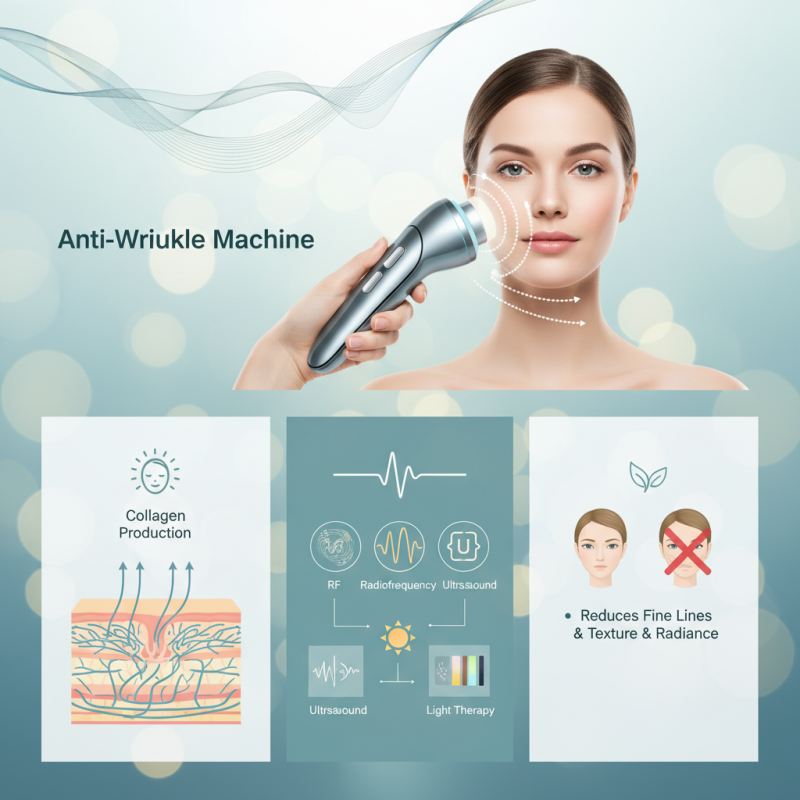
The Anti-Wrinkle Machine operates on cutting-edge principles of regenerative technology, harnessing various modalities such as radiofrequency, ultrasound, and light therapy. These advanced techniques stimulate collagen production and improve circulation, leading to visibly smoother skin. As more individuals prioritize self-care and skincare routines, understanding the functionality and benefits of these devices becomes essential for making informed choices in the quest for youthful skin.
In this article, we will delve deeper into what an Anti-Wrinkle Machine is, how it works, and the science behind its effectiveness in skincare. By exploring these elements, we aim to provide insights that empower readers to consider this innovative tool as part of their skincare arsenal.
Understanding the Concept of an Anti-Wrinkle Machine in Skin Care
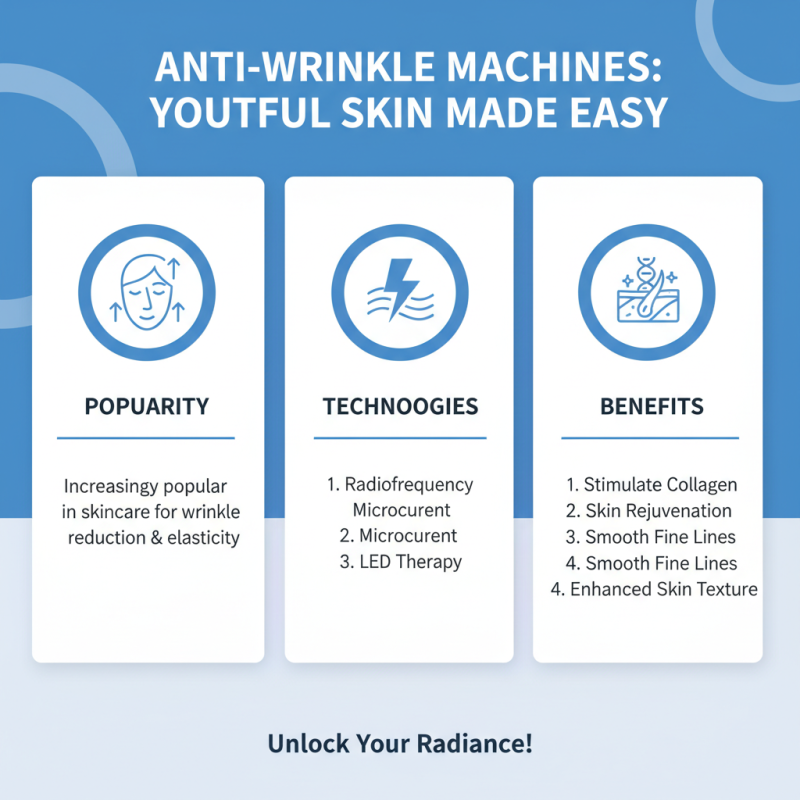
An anti-wrinkle machine is an innovative device designed to combat the signs of aging, particularly wrinkles and fine lines on the skin. These machines leverage various technologies such as radiofrequency, ultrasound, or LED light therapy to stimulate collagen production and improve skin elasticity. The underlying principle is that by safely heating the deeper layers of skin, these devices promote cellular turnover and enhance overall skin texture. As collagen is the protein responsible for skin firmness, its increased production leads to a more youthful appearance, effectively reducing the visibility of wrinkles.
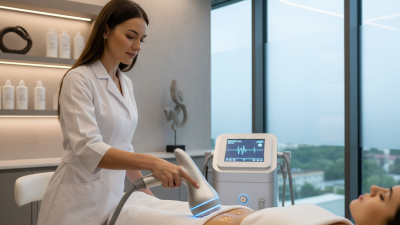
Understanding the concept of an anti-wrinkle machine in skin care involves acknowledging how these devices are integrated into non-invasive aesthetic treatments. Unlike surgical procedures, anti-wrinkle machines offer a less invasive option that can be performed in the comfort of a spa or home environment. Many machines are designed with user-friendly interfaces, allowing individuals to customize their treatment according to their skin type and specific concerns. Regular use can result in noticeable improvements, making these devices a popular choice for those seeking youthful skin without the need for more drastic measures.
Effectiveness of Anti-Wrinkle Machines Compared to Traditional Methods
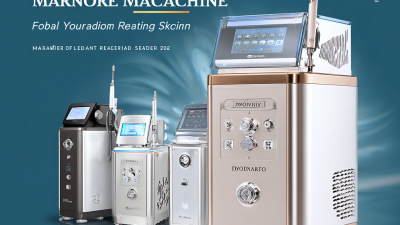
Types of Anti-Wrinkle Machines Available on the Market
Anti-wrinkle machines have become increasingly popular in the realm of skincare, offering various technological approaches to reduce signs of aging. Among the most common types available are microcurrent devices, which use low-level electrical currents to stimulate facial muscles, promoting a lifting effect. These machines can enhance collagen production and improve blood circulation, resulting in firmer and more radiant skin. Additionally, many users appreciate their non-invasive nature, making them a convenient option for at-home treatments.
Another prevalent type of anti-wrinkle machine is the LED light therapy device. Utilizing different wavelengths of light, these devices target specific skin concerns. For example, red light therapy works to boost collagen and elastin production while also reducing inflammation, whereas blue light is effective for acne treatment. These machines are celebrated for their ease of use and ability to integrate into regular skincare routines, making them accessible to a wide range of users.
Finally, there are ultrasound devices that employ sound waves to penetrate deeper into the skin layers, promoting elastin and collagen regeneration. These machines can improve skin texture and elasticity, making them a favorite among those who prefer a hands-on approach to their skincare regimen. With these diverse options, consumers can find an anti-wrinkle machine that aligns with their skincare goals and preferences.
What is an Anti Wrinkle Machine and How Does It Work for Skin Care - Types of Anti-Wrinkle Machines Available on the Market
| Type of Machine |
Technology Used |
Benefits |
Treatment Duration |
Recommended Use |
| Laser Therapy Machine |
Laser technology |
Stimulates collagen production, reduces fine lines |
30-60 minutes |
Every 4-6 weeks |
| Microdermabrasion Machine |
Exfoliation crystals |
Improves skin texture, brightens complexion |
30 minutes |
Every 2-4 weeks |
| Radiofrequency Machine |
RF energy |
Tightens skin, reduces wrinkles |
45 minutes |
Every 6 months |
| Ultrasound Machine |
Ultrasound waves |
Enhances collagen, firms up sagging skin |
30-60 minutes |
Every 3-6 months |
| LED Light Therapy Machine |
LED lights |
Reduces inflammation, promotes healing |
20-30 minutes |
Weekly |
How Anti-Wrinkle Machines Work: The Science Behind the Technology
Anti-wrinkle machines have gained traction in the skincare industry due to their purported ability to reduce the signs of aging. These devices utilize various technologies, including radiofrequency, ultrasound, and LED light therapy, to stimulate the skin's natural healing processes. According to a report by the American Society for Dermatologic Surgery, nearly 70% of patients who undergo such treatments observe a noticeable improvement in skin texture and elasticity within just a few sessions. The science behind these technologies hinges on their ability to increase collagen production, which plays a crucial role in maintaining skin firmness and reducing wrinkles.
Radiofrequency devices, for instance, generate heat that penetrates the skin layers, triggering collagen remodeling. Similarly, ultrasound waves promote blood circulation and rejuvenate skin cells. LED light therapy, on the other hand, targets different skin concerns by using specific light wavelengths, helping to diminish the appearance of fine lines and pigmentation. Clinical studies have shown that consistent use of these machines can lead to up to a 50% improvement in skin elasticity over time.
Tip: Always consult with a skincare professional before starting any anti-wrinkle treatment to ensure it aligns with your skin type and concerns. Incorporating a good moisturizer and sunscreen into your daily routine can amplify the results of these devices, providing a protective barrier against environmental stressors. Remember that consistency is key; regular treatments can significantly enhance the effectiveness of these anti-wrinkle machines.
Benefits of Using Anti-Wrinkle Machines for Skin Care
Anti-wrinkle machines are becoming increasingly popular in the skincare industry, offering a range of benefits for those seeking to reduce wrinkles and improve skin elasticity. These devices typically utilize advanced technologies such as radiofrequency, microcurrent, or LED therapy to stimulate collagen production and promote skin rejuvenation. The result is a more youthful appearance, as these treatments help to smooth out fine lines and enhance overall skin texture.
One of the key benefits of using anti-wrinkle machines is their ability to provide non-invasive solutions for skin aging. Unlike surgical procedures, these machines offer a pain-free alternative that allows users to incorporate effective treatments into their skincare routines without the need for recovery time. Regular use can lead to noticeable improvements in skin firmness and hydration, making it an attractive option for those looking to maintain their youthful glow.
Tips for optimal results include ensuring the skin is clean and dry before use, following the instructions for the specific device carefully, and being consistent with treatments to see the best outcomes. Additionally, pairing the use of an anti-wrinkle machine with a good skincare regimen—including moisturizing and sun protection—can enhance the overall effectiveness of the treatment, leading to more radiant and resilient skin.
Considerations and Safety Tips for Using Anti-Wrinkle Machines
When considering the use of anti-wrinkle machines for skin care, it's essential to prioritize safety and effectiveness. These devices often utilize technologies such as radiofrequency, ultrasound, or LED light to stimulate collagen production and improve skin elasticity. However, proper usage is critical to achieve desired results while minimizing any potential risks.
Tips: Before using an anti-wrinkle machine, conduct thorough research to understand the specific technology it employs. Ensure that the device is FDA-approved and read user reviews to gauge its reliability. Always perform a patch test on a small area of your skin to check for any adverse reactions. Additionally, follow the manufacturer's instructions carefully and start with the lowest setting to assess how your skin reacts.
Another essential consideration is to maintain hygiene during the use of these machines. Clean the device regularly to prevent bacterial buildup, which could lead to skin irritation or infections. It is also advisable to consult a dermatologist before beginning any new skincare treatment, especially for individuals with sensitive skin or underlying skin conditions. Regular follow-ups with a skincare professional can provide personalized guidance tailored to your specific needs.