2026 Best Laser Tattoo Removal Machine for Global Buyers?
In recent years, the demand for effective and safe tattoo removal has surged globally. According to a report by Grand View Research, the tattoo removal market is expected to reach over $3.5 billion by 2025, driven by a growing number of individuals seeking to eliminate unwanted tattoos. The "Laser Tattoo Removal Machine" has become the gold standard in this industry, particularly due to advancements in laser technology.
Leading providers have developed machines featuring Q-switched and picosecond lasers. These innovations enhance the efficiency and safety of the tattoo removal process. Notably, studies indicate that up to 95% of tattoos can be safely removed with the right laser equipment. However, it's essential to consider the varying skin types and tattoo ink compositions, which can affect outcomes.
Investing in a reliable Laser Tattoo Removal Machine requires careful thought. Not all machines deliver the same results, and the expertise of the technician plays a crucial role. Buyers must weigh their options, understanding that not every machine will meet their needs perfectly—ensuring they choose wisely is vital for the best results.
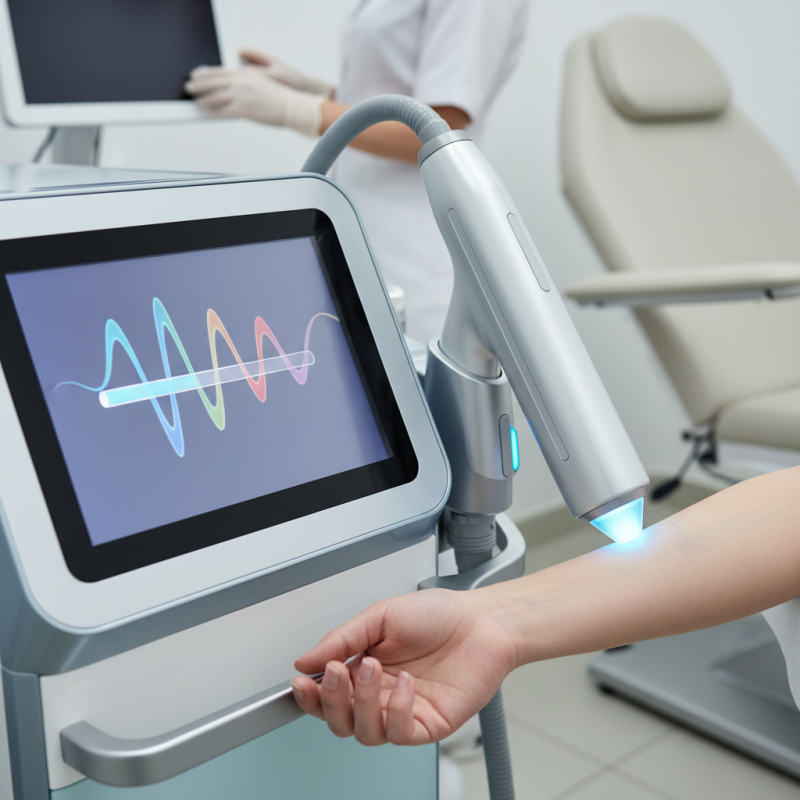
Overview of Laser Tattoo Removal Technology
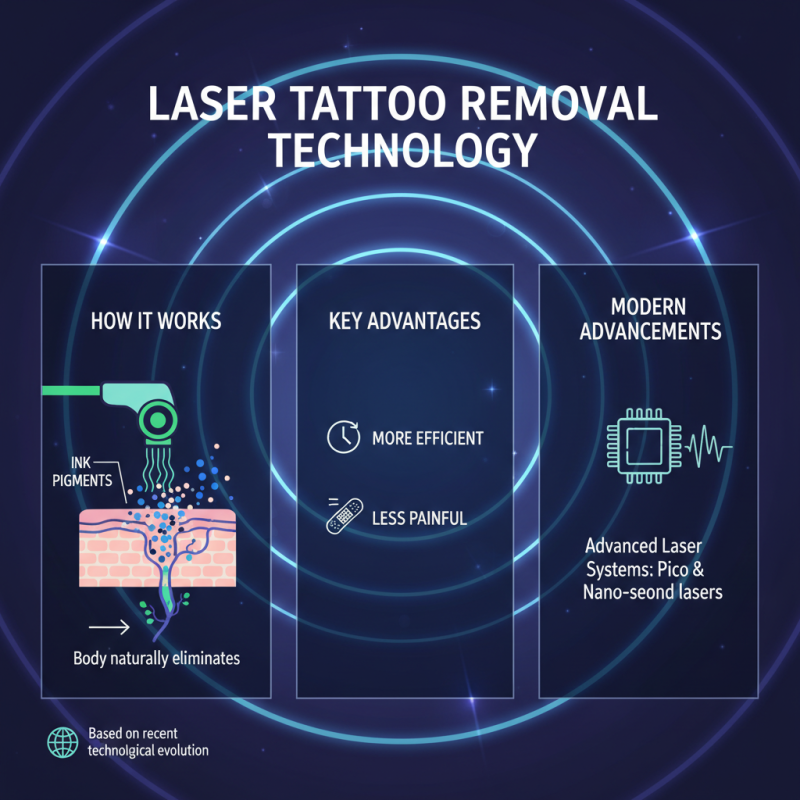
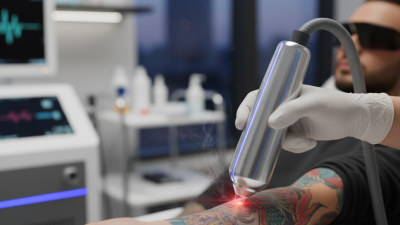
Laser tattoo removal technology has evolved significantly over recent years. It utilizes highly focused light beams that target ink pigments in the skin. This method breaks down the ink into smaller particles, which the body can then naturally eliminate. The advances in laser technology have made the process more efficient and less painful for patients.
Different types of lasers are commonly used, including Q-switched and Pico lasers. Each type has specific benefits tailored to various skin types and tattoo inks. Understanding skin physiology is crucial for selecting the appropriate laser. Treatment requires multiple sessions, and results may vary. Not every tattoo responds the same way, leading to some level of unpredictability.
However, potential risks exist, including scarring and pigmentation changes. It’s vital for providers to assess skin condition and tattoo characteristics. Patients should have realistic expectations regarding the outcome. Continuous education and training are essential for practitioners to ensure safety and effectiveness in this rapidly changing field. This technology brings hope but also challenges worth considering.
Key Features to Look for in a Laser Tattoo Removal Machine
When selecting a laser tattoo removal machine, several key features are essential. The wavelength of the laser plays a significant role in effectiveness. Different colors of ink absorb light at varying wavelengths. Machines that offer multiple wavelengths can target a broader range of ink colors. This versatility is critical for providing comprehensive tattoo removal services.
Another important feature is the pulse duration. Short pulse durations can minimize damage to the surrounding skin. This precision is particularly beneficial for sensitive areas where tattoos often reside. Additionally, consider the cooling system of the machine. A robust cooling mechanism ensures patient comfort during the procedure. This feature can influence recovery time and skin health post-treatment.
Lastly, user-friendliness of the equipment is crucial. A complicated interface can slow down the removal process and frustrate practitioners. Training should be straightforward, allowing operators to familiarize themselves quickly. Despite these ideal criteria, not all machines will meet every need perfectly. It's essential to assess specific requirements and make adjustments.
Investing in a machine that meets most of these features will likely yield better results for both operators and patients.
Top Laser Tattoo Removal Machines of 2026
As we approach 2026, the demand for effective laser tattoo removal continues to grow. Insights from the latest industry reports indicate a 15% annual increase in tattoo removal procedures worldwide. This surge is largely driven by the rising number of individuals seeking to erase unwanted tattoos. Professionals in the field must stay updated with the latest technology to meet this demand.
Top laser tattoo removal machines in 2026 focus on speed, safety, and efficacy. Advanced devices utilize multiple wavelengths, allowing them to target various ink colors effectively. A recent study revealed that the most effective machines can remove up to 90% of tattoos within just a few sessions. However, not every device guarantees optimal results. The skill of the operator plays a crucial role in the effectiveness of these treatments. The risk of incomplete removal or skin damage is present, emphasizing the need for experienced practitioners.
Data also shows that consumer expectations have shifted. Many clients desire minimal discomfort during treatments. Consequently, lasers are continually being refined to enhance patient comfort. While new technologies emerge yearly, there is still much to learn about their long-term effectiveness. Continuous training and feedback loops within the industry will inform best practices. Overall, the landscape is evolving rapidly, but it is imperative to proceed with caution.
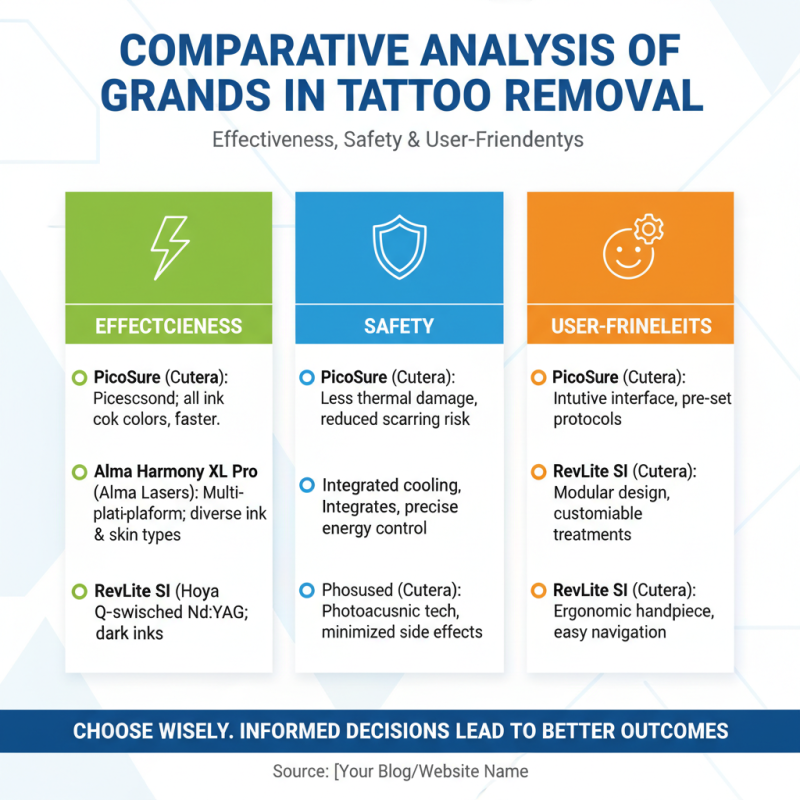
Comparative Analysis of Global Brands in Tattoo Removal
In the world of tattoo removal technology, choosing the right laser machine is critical for effectiveness and safety. Many global brands offer varied solutions, each with unique features. Understanding these differences can help buyers make informed decisions. Comparisons should focus on effectiveness, safety, and user-friendliness.
When investigating laser tattoo removal machines, look for those that employ advanced technology. Consider those that utilize multiple wavelengths for versatile treatment. Different colors of ink require specific wavelengths to break down effectively. Familiarizing yourself with how each machine works is key.
**Tips:** Always check reviews and user experiences. Speak to professionals who use these machines daily. Look for insights on longevity and maintenance. Remember, not every machine is right for every skin type or tattoo color. The wrong choice can lead to less effective results or complications. These reflections are crucial in ensuring a safe and satisfactory tattoo removal experience.
Safety and Efficacy: What Users Need to Know
When considering a laser tattoo removal machine, safety and efficacy are paramount. Users should prioritize machines that offer precise wavelength settings. These settings directly impact how effectively the laser targets ink particles. Uneven targeting may lead to incomplete removal or skin damage. It's vital to choose devices that have undergone rigorous testing to ensure user safety.
Many users report discomfort during procedures. This varies based on an individual's pain threshold and the removal process used. A professional should evaluate each case, as factors like skin type and tattoo age influence results. Some machines promise quick removal but may not deliver lasting outcomes. Ensuring realistic expectations is crucial.
Consulting with experienced practitioners can provide insightful guidance. Professionals often have valuable feedback about different machines. They can recommend specific features to look for, enhancing overall safety. Continuous advancements in technology can lead to unexpected challenges, so ongoing education is necessary.
Prioritize clear communication with users about potential side effects. Each tattoo removal journey is unique, and understanding this is essential for effective treatment.