Best Microdermabrasion Machine for Professional Use in 2026?
In the evolving world of skincare, the Microdermabrasion Machine stands out. In 2026, selecting the best one for professional use can feel daunting. Many machines promise excellent results. However, understanding their unique features is critical.
Professionals seek machines that deliver consistent outcomes. A reliable Microdermabrasion Machine should have adjustable settings for various skin types. Users often overlook the importance of customer reviews. Real-world experiences provide insight into performance and results. Features such as ergonomic design can enhance usability. Yet, some machines may lack durability.
Investing in a Microdermabrasion Machine is significant. Consider build quality and manufacturer reputation. Reflect on your specific needs prior to making a choice. The landscape of skincare equipment is vast. It's wise to prioritize research and first-hand accounts. Only thus can you select the ideal tool for your practice.
Overview of Microdermabrasion Machines for Professionals
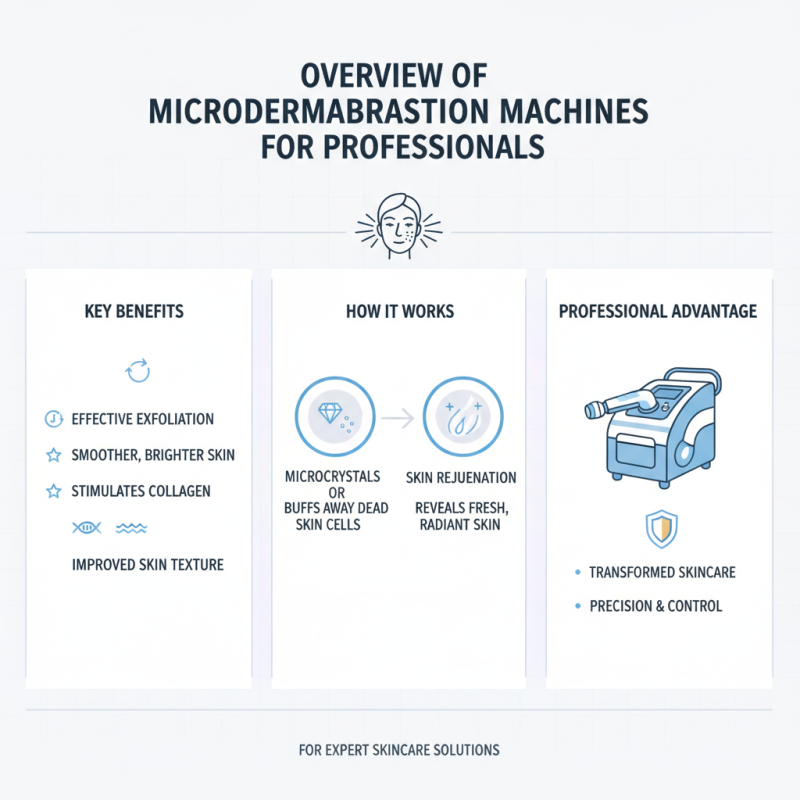
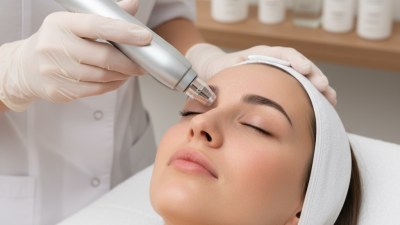
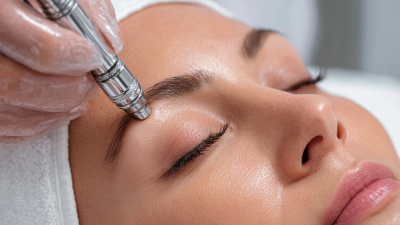
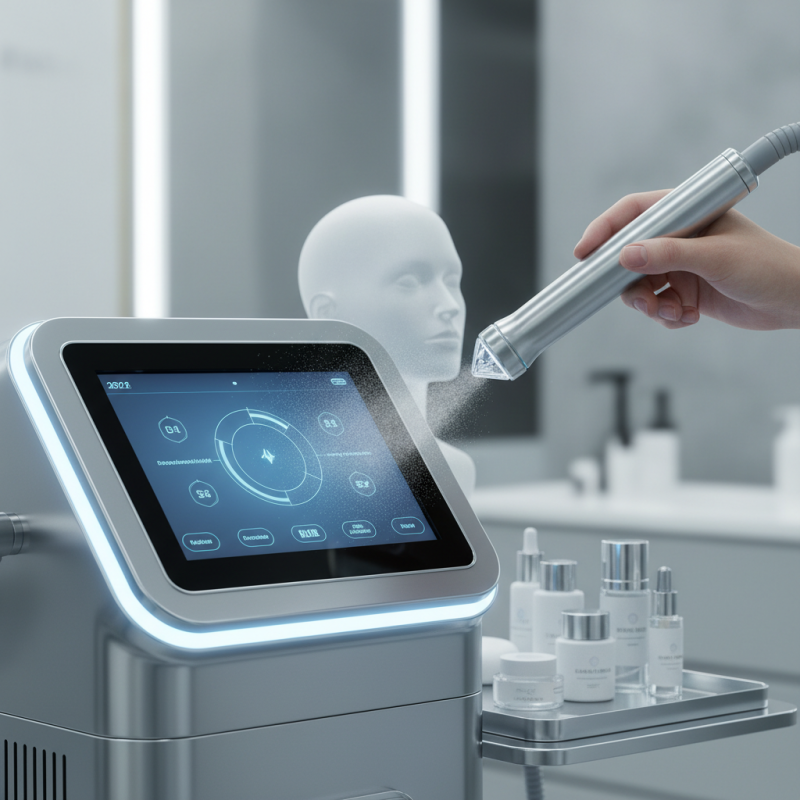
Microdermabrasion machines have transformed skincare for professionals. They offer effective exfoliation, revealing smoother and brighter skin. These machines use microcrystals or diamond tips to buff away dead skin cells. This process stimulates collagen production and improves skin texture.
When choosing a microdermabrasion machine, consider technical features. Variable suction levels can tailor treatments for different skin types. Also, portability can enhance a practitioner's flexibility. The education behind proper usage is crucial. Many professionals may not fully understand machine settings, impacting treatment quality.
Maintenance is another critical aspect. Regular cleaning ensures optimal performance and hygiene. Some machines require specific replacement parts, which can be overlooked. These factors should inform your decision when investing in a professional-grade machine. A deeper understanding leads to better results for clients.
Key Features to Look for in Professional Microdermabrasion Machines
Choosing the right microdermabrasion machine for professional use in 2026 involves understanding essential features. Look for adjustable suction settings. Different skin types require varying levels of treatment. Machines with customizable intensity allow for personalized care. An intuitive interface can enhance user experience. Complex controls may deter novice practitioners.
Another crucial aspect is the type of exfoliation. Diamond-tipped wands offer precision on delicate areas, while crystal options can provide broader surface coverage. Combining both types could be beneficial for diverse clientele.
Tips: Always check for easy cleaning options. Machines that are difficult to maintain could harbor bacteria. Consider device weight; a lighter machine enhances portability. This can be a game-changer for mobile professionals.
Lastly, pay attention to warranty and service options. A longer warranty indicates manufacturer confidence. Quick support can alleviate concerns if issues arise. Investing in reliable machines not only boosts service quality but also enhances trust with clients.
Top Recommended Microdermabrasion Machines for 2026
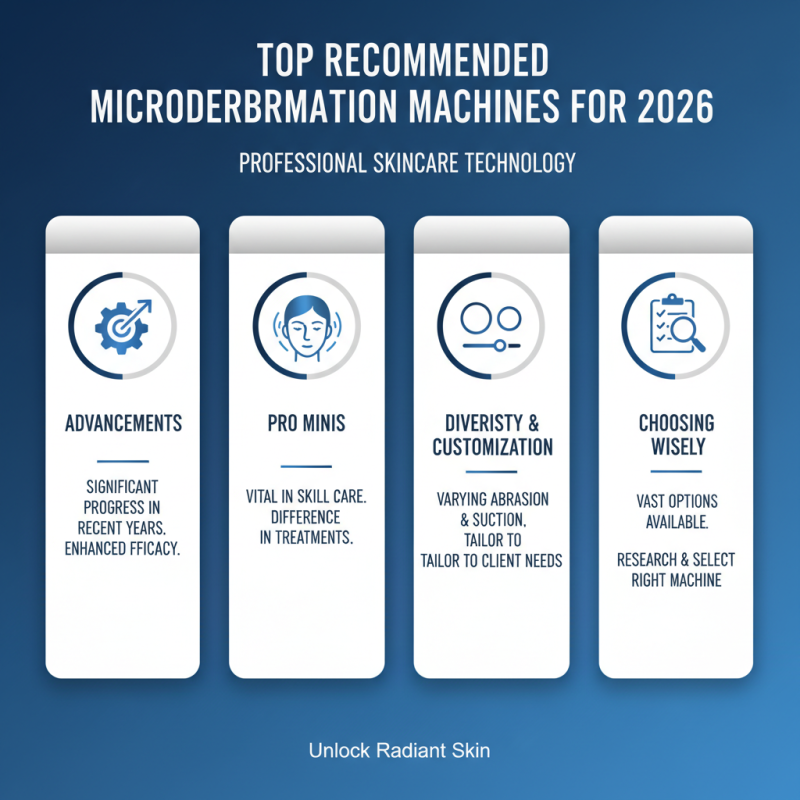
Microdermabrasion machines have advanced significantly in recent years. They play a vital role in professional skincare. A high-quality machine makes a huge difference during treatments. Different machines offer varying levels of abrasion and suction power. This diversity enables professionals to cater to their clients' unique skin needs. However, with the vast options available, it can be challenging to find the right one.
Many professionals recommend machines that balance efficacy with user-friendliness. Look for devices that have adjustable settings. This feature allows for customized treatments, essential for different skin types. Also, consider machines with easy-to-clean components. This can save valuable time and ensure proper hygiene. Remember, investing in a reliable machine pays off in the long run.
While advanced technology is appealing, it's important to acknowledge limitations. Some machines may be too aggressive for sensitive skin. Users must be aware of potential side effects. Regular training on these machines is crucial. This ensures that technicians can make informed decisions regarding client safety. After all, the ultimate goal is to enhance skin health.
Comparative Analysis of Microdermabrasion Technologies
Microdermabrasion is gaining traction among skincare professionals. This method clears the skin's surface. It stimulates cell renewal, revealing brighter skin. However, not all machines are created equal. Each technology has unique advantages and disadvantages.
Crystal microdermabrasion is a common method. It employs fine crystals to exfoliate. This technique can be effective but may cause irritation for sensitive skin types. Alternatives like diamond microdermabrasion use a diamond-tipped wand. This method provides a gentler experience and better control. However, it often requires more skill to use effectively.
The newer automated microdermabrasion systems offer convenience. They can be easier to operate, reducing the learning curve. Yet, they may lack the customizable power options that skilled professionals desire. A detailed understanding of skin types is crucial before selecting any device. Each practitioner must weigh these factors carefully. Finding the right microdermabrasion technology is not without challenges. It demands time, research, and practical experience.
Best Microdermabrasion Machine for Professional Use in 2026
| Model |
Technique |
Power (Watts) |
Weight (lbs) |
Ease of Use |
Price Range (USD) |
| Model A |
Crystal |
200 |
10 |
Easy |
$500 - $700 |
| Model B |
Diamond |
250 |
8 |
Moderate |
$700 - $900 |
| Model C |
Hydra |
300 |
12 |
Challenging |
$1000 - $1200 |
| Model D |
Micro-Current |
350 |
11 |
Easy |
$900 - $1100 |
Best Practices for Using Microdermabrasion Machines in a Professional Setting
Microdermabrasion machines have become essential tools in professional skincare. They effectively exfoliate the skin, promoting cell turnover and improving overall complexion. According to the American Society of Aesthetic Plastic Surgery, microdermabrasion procedures increased by 60% in the last five years among professionals. Proper usage is crucial to achieving desired results and ensuring client safety.
When using these machines, it's vital to follow best practices. Always assess your client's skin type and condition before starting. Adjust the machine settings accordingly to avoid irritation or damage. A recent study published in the Journal of Clinical and Aesthetic Dermatology highlighted that 25% of clients experience minor redness post-treatment. This emphasizes the importance of moderation and care.
Tips:
Start with a lower intensity setting for first-time clients. Educate them about potential side effects and aftercare. Regularly clean and maintain the machine to ensure optimal performance and hygiene. Remember, overdoing treatments can lead to adverse reactions. Regular feedback from clients can help refine your approach for better results.