Why Choose a Cavitation Machine for Body Sculpting?
In recent years, the beauty and wellness industry has witnessed a dramatic rise in the popularity of body sculpting technologies. One of the leading innovations is the Cavitation Machine. According to a market research report by Allied Market Research, the body contouring market is expected to reach $12.14 billion by 2025. This growth highlights a surge in demand for effective, non-invasive body sculpting solutions.
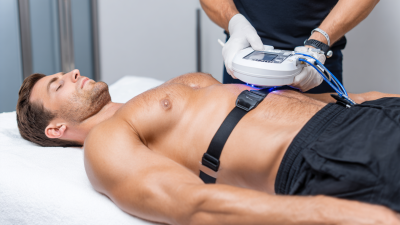
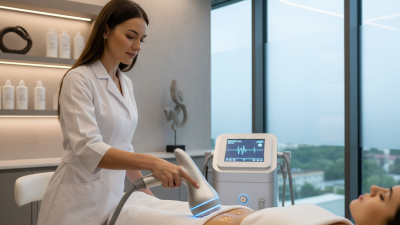
Dr. Emily Tran, a renowned expert in aesthetic treatments, emphasizes the importance of this technology. She states, “Cavitation Machines offer a revolutionary approach to fat reduction, making body sculpting accessible and effective.” These machines use ultrasound waves to target fat cells, breaking them down without damaging surrounding tissues. While some users experience significant results, others may question the efficacy or experience minimal changes.
The Cavitation Machine serves as a tool for transformation. Though it promises potential, outcomes can vary based on individual circumstances and commitment to lifestyle changes. It’s essential to manage expectations and reflect on personal goals before diving into treatments. Understanding the nuances of this technology can help empower individuals to make informed decisions in their body sculpting journey.
Benefits of Cavitation Machines in Body Sculpting Techniques
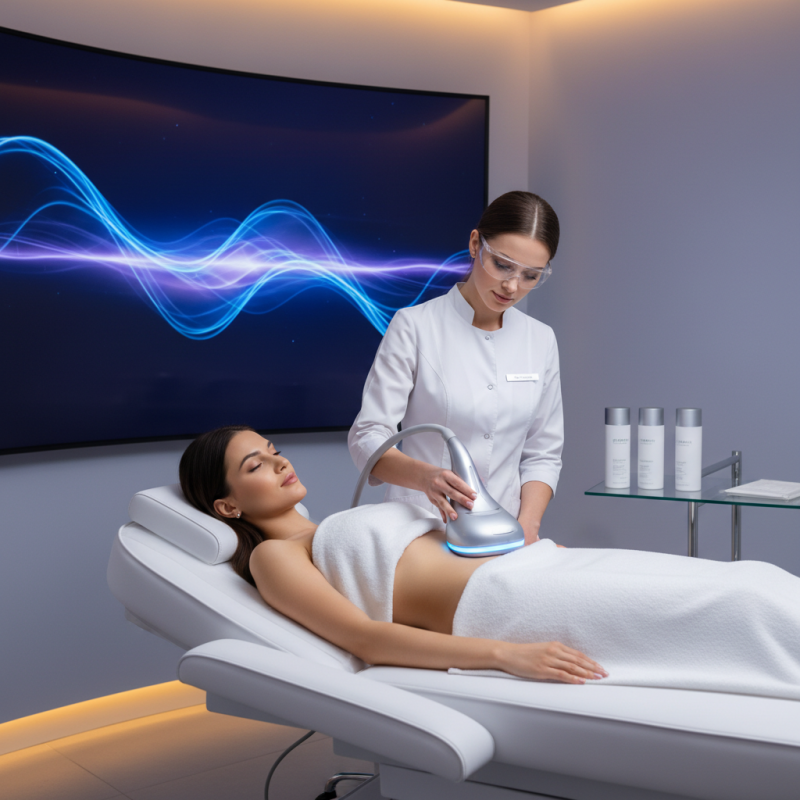
Cavitation machines are gaining popularity in body sculpting. They use ultrasound technology to break down fat cells. This non-invasive method helps people achieve a slimmer silhouette. Many individuals seek this option to avoid surgery. It seems like a safer path, but results can vary.
One major benefit is the quick recovery time. Patients can return to their daily activities almost immediately. The treatment is also relatively painless. However, some might experience slight discomfort during the process. This temporary sensation should not be a significant deterrent.
Another advantage is the ability to target specific areas. Many users appreciate the precision in sculpting their bodies. Yet, realistic expectations are essential. Not everyone experiences dramatic transformation. Consistency in following a healthy lifestyle is crucial for optimal results. Exploring these machines can lead to positive changes, but patience is key.
Overview of Ultrasonic Cavitation and Its Mechanism of Action
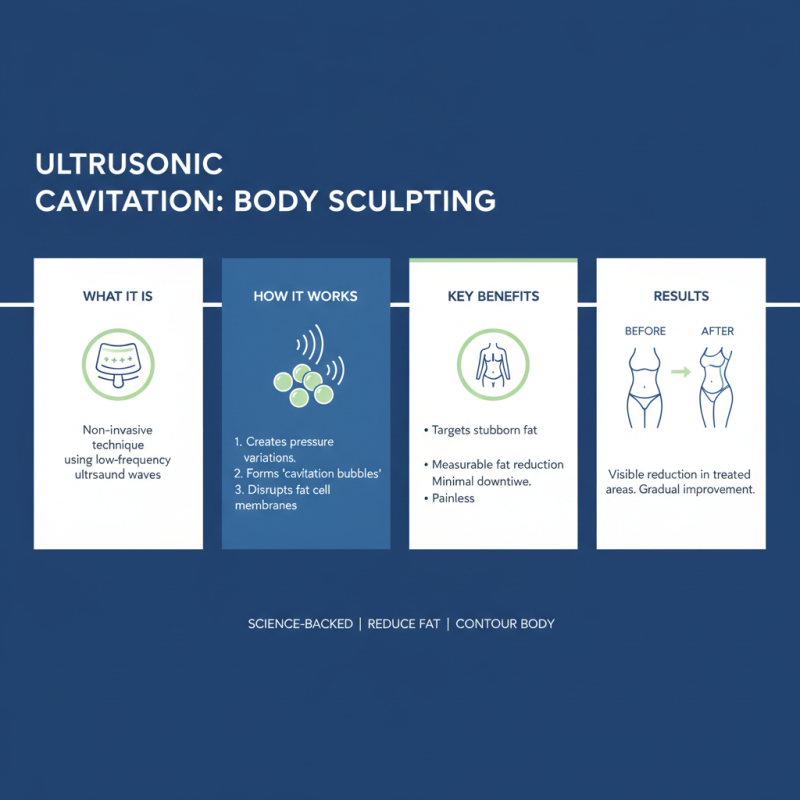
Ultrasonic cavitation is gaining popularity for body sculpting. This non-invasive technique uses ultrasound waves to target fat cells. It works by creating pressure variations in fluid, leading to cavitation bubbles that disrupt fat cell membranes. Studies show that patients can see a reduction in stubborn fat areas with minimal downtime.
Research indicates that the body can eliminate fat cells naturally after treatment. According to a 2020 report by the American Society of Plastic Surgeons, over 75% of participants experienced visible results. This method is appealing for those seeking alternatives to surgical interventions. However, it’s essential to manage expectations. Results can vary based on individual body types and lifestyle choices.
Most individuals will require multiple sessions for optimal outcomes. Additionally, while many report satisfaction, some don’t see significant changes. This highlights the importance of having realistic goals and maintaining a healthy lifestyle post-treatment. Understanding the technology behind ultrasonic cavitation is crucial, as its effectiveness can depend on various factors, including the frequency and duration of treatment. While promising, it is not a one-size-fits-all solution.
Comparative Analysis of Cavitation vs. Traditional Liposuction Methods
Cavitation machines have gained popularity in body sculpting. They offer a non-invasive alternative to traditional liposuction. Many people are drawn to the idea of using sound waves to break down fat cells. The process is painless and requires no recovery time. Patients can return to their daily activities right away, which is appealing.
In contrast, traditional liposuction involves surgical procedures. This method requires anesthesia and longer recovery periods. There are risks associated with surgery, including infections and complications. While liposuction can deliver immediate results, the invasive nature can be daunting. Some people experience pain and swelling for weeks afterward.
However, cavitation treatments are not a miracle solution. Results may vary from person to person. Some see noticeable changes, while others may be less satisfied. Consistency is key, and multiple sessions are often needed to achieve desired outcomes. It's essential to manage expectations and remember that lifestyle choices play a significant role. Balancing treatments with a healthy diet and exercise can enhance results.
Recent Industry Statistics on Body Sculpting Success Rates
Body sculpting is gaining traction, with recent statistics showcasing impressive success rates. Research indicates that about 80% of individuals experience noticeable body contour changes after treatments. Many clinics report a patient satisfaction rate averaging 90%. Such numbers highlight the effectiveness of body sculpting techniques.
However, not all experiences are perfect. Some clients see minimal improvements despite multiple sessions. This may be due to various factors, including unrealistic expectations or lifestyle choices. A study noted that around 25% of participants felt disappointed after failing to achieve their desired results. It underscores the importance of setting attainable goals.
Moreover, the industry is evolving rapidly. With increasing technology integration, more advanced techniques are emerging. Statistics reveal that new methods can enhance fat reduction by up to 30%. This could mean better outcomes for many clients. Still, it’s essential to approach body sculpting with caution and reflection. Understanding that individual results vary is key to a positive outcome.
Safety and Efficacy Standards for Cavitation Equipment in Aesthetics
Cavitation machines have gained popularity for body sculpting, but safety and efficacy are paramount. According to a report by the American Society for Aesthetic Plastic Surgery, about 70% of patients prioritize safety in their procedures. Ensuring that cavitation equipment meets stringent safety standards is crucial. The machines must be FDA-approved or compliant with similar regulatory bodies. These approvals help ensure that treatments have a low risk of side effects.
Research shows that proper machine calibration is essential. Incorrect settings can lead to adverse effects, such as skin irritation or discomfort. Hence, practitioners must invest in training and certification. Regular maintenance and updates on machines are also needed. Data from clinical studies indicate that effective treatment protocols can lead to about 80% patient satisfaction.
Tip: Always ask about safety certifications before undergoing treatment.
Moreover, clients should conduct thorough research. While cavitation is generally safe, not all machines deliver the same results. Individual variability plays a role, leading to inconsistencies in outcomes. Therefore, practitioners should tailor services to each client’s needs. This personal approach can enhance efficacy.
Tip: Discuss your expectations with your practitioner. This helps in setting realistic goals and understanding potential results.