10 Essential Tips for Choosing the Best Laser Hair Removal Machine?
Choosing the right Laser Hair Removal Machine can feel overwhelming. There are many options available, each claiming to be the best. However, finding a machine that suits your specific needs is crucial.
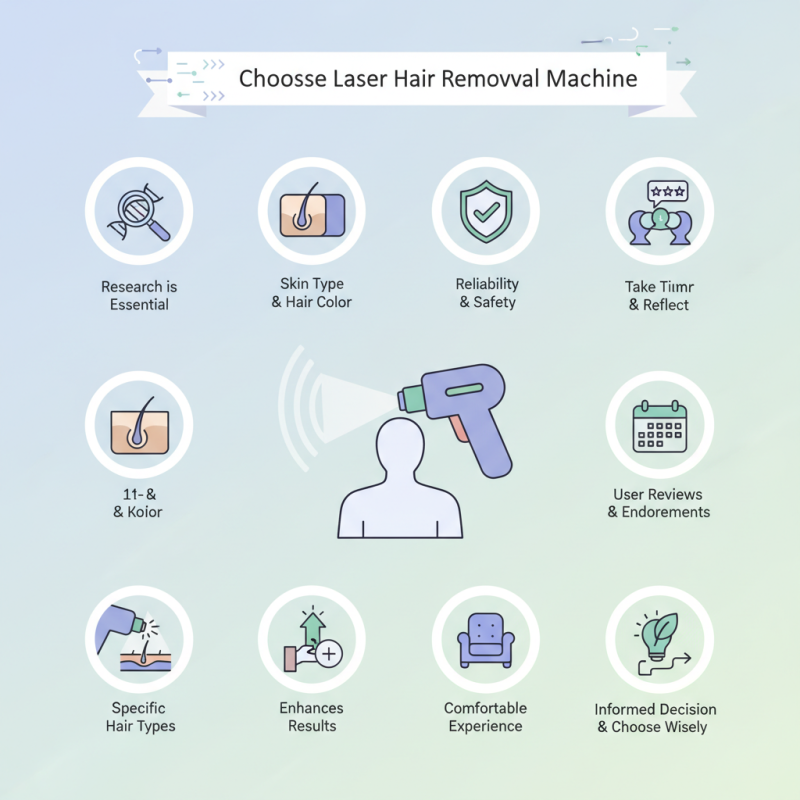
Consider your skin type and hair color when making your choice. Treatments that work for one person may not work for another. Some machines are designed for specific hair types. Research is essential for making an informed decision.
Reliability and safety are paramount. Look for machines with good reviews from users. Professional endorsements can also guide your selection. The right machine not only enhances results but also ensures a comfortable experience. Take your time, reflect on your unique needs, and choose wisely.
Key Considerations for Selecting a Laser Hair Removal Machine
When selecting a laser hair removal machine, understanding key considerations is crucial. Begin by evaluating the type of laser technology used. Different lasers target various hair and skin types effectively. For instance, a device that works well on light skin may not be suitable for darker skin tones. Effectiveness varies based on these factors, so research the wavelengths that suit your needs.
Safety features should also play a vital role in your decision-making. Look for machines equipped with cooling systems to minimize discomfort. A safety shield is important to protect your skin during treatment. Check if the machine is FDA-approved, as this signifies it meets safety standards. User reviews can provide insights into the machine's reliability and real-world performance.
Consider the machine's ease of use and maintenance requirements. A user-friendly interface is essential for both professionals and home users. Additionally, assess the machine's longevity and warranty offerings. Some machines may require more frequent maintenance, leading to unexpected costs. Explore these aspects to ensure your investment is worthwhile and worth reflecting upon later.
Understanding Different Types of Laser Technology for Hair Removal
When considering laser hair removal, understanding the different types of laser technology is crucial. There are various systems available, each designed for specific skin types and hair colors. The three main types include Alexandrite, Diode, and Nd:YAG lasers. Alexandrite lasers are effective for light to medium skin tones. They work quickly and can cover large areas. Diode lasers, on the other hand, are known for their versatility. They are suitable for all skin types and are particularly effective on darker skin tones. Nd:YAG lasers penetrate deeper into the skin, making them ideal for coarse hair.
Choosing the right machine isn't solely about technology. It’s essential to consider the machine's settings and parameters. Ensure that the device has adjustable settings for various hair and skin types. This adaptability can significantly enhance efficacy and minimize discomfort. Research user reviews for firsthand experiences. They often provide insights into the machine's performance and reliability.
Remember that attending a consultation is vital. During this initial meeting, ask about the technology used and its appropriateness for your skin type. A knowledgeable technician will explain these details. They should have experience with various devices and a track record of successful treatments. Don’t hesitate to seek multiple opinions to make an informed decision. Trust your instincts when choosing the best option for yourself.
Evaluating Safety Features and Certifications in Laser Devices
When selecting a laser hair removal machine, safety features and certifications are paramount. Look for devices that have been cleared by regulatory bodies. These certifications ensure that the technology you are considering meets safety standards. Always check if the machine has undergone clinical testing or trials. This insight provides peace of mind while using the device.
It's essential to evaluate the built-in safety features. Many machines come with skin sensors that adjust the intensity based on skin tone. This function helps to prevent burns or irritation. Understand that not all devices offer this feature. Opt for machines that prioritize user safety during treatments.
One tip is to read user reviews and testimonials. Real-world experiences can offer valuable insights into safety protocols. Alternatively, consider consulting with a professional. They can guide you in choosing a machine that aligns with your safety needs. Always be cautious about machines that lack transparent safety information. Your safety should never be compromised for efficiency or cost.
Comparative Analysis of Laser Hair Removal Machine Safety Features
Assessing Treatment Versatility and Skin Tone Compatibility
When considering a laser hair removal machine, it's crucial to assess treatment versatility. Different skin tones require specific laser technologies to ensure effective results. According to a study by the American Society for Laser Medicine and Surgery, Fitzpatrick skin types I to IV respond best to certain wavelengths. However, those with darker skin types (V and VI) often face challenges, such as uneven pigmentation or burns. These risks emphasize the importance of selecting a device compatible with your skin tone.
Moreover, versatility extends beyond skin types. A comprehensive treatment machine should accommodate various hair textures and body areas. Research from the Journal of Cosmetic Dermatology highlights that specific laser settings improve effectiveness on coarse hair versus finer hair. It's been noted that machines lacking adjustable settings may overlook the nuances of different hair types. Users should ensure the device provides user-friendly adjustments for optimal performance across body areas.
In addition to these factors, a thorough understanding of the device's specifications is essential. Machines with multiple handpieces can adapt to different conditions and treatment needs. However, many users may not fully grasp how to leverage these advantages. This gap illustrates the need for reliable resources and education on laser technology, guiding potential customers to make informed decisions.
10 Essential Tips for Choosing the Best Laser Hair Removal Machine
| Tip |
Description |
Skin Tone Compatibility |
Treatment Versatility |
| 1. Understand Skin Types |
Assess your skin type for optimal treatment. |
Light to Medium |
Good |
| 2. Assess Hair Color |
Laser is most effective on dark hair. |
Ideal for Dark Hair |
Limited for Light Hair |
| 3. Check Laser Type |
Different lasers for different hair and skin types. |
Versatile |
Very Versatile |
| 4. Evaluate Treatment Time |
Shorter sessions are preferred for convenience. |
All Skin Types |
Efficient |
| 5. Research Safety Features |
Safety features reduce the risk of burns. |
High Safety |
Standard |
| 6. Look for Comfort Options |
Cooling mechanisms improve comfort during treatment. |
More Comfortable |
Standard |
| 7. Compare Costs |
Cost-effectiveness varies; weigh options carefully. |
All Skin Types |
N/A |
| 8. Read Reviews |
User experiences can guide your choice. |
Varies |
Variable |
| 9. Check Warranty |
A good warranty reflects confidence in the product. |
N/A |
N/A |
| 10. Consult Professionals |
Professional advice can ensure the right choice. |
All Skin Types |
Highly Recommended |
Comparing Costs and Maintenance Requirements of Laser Machines
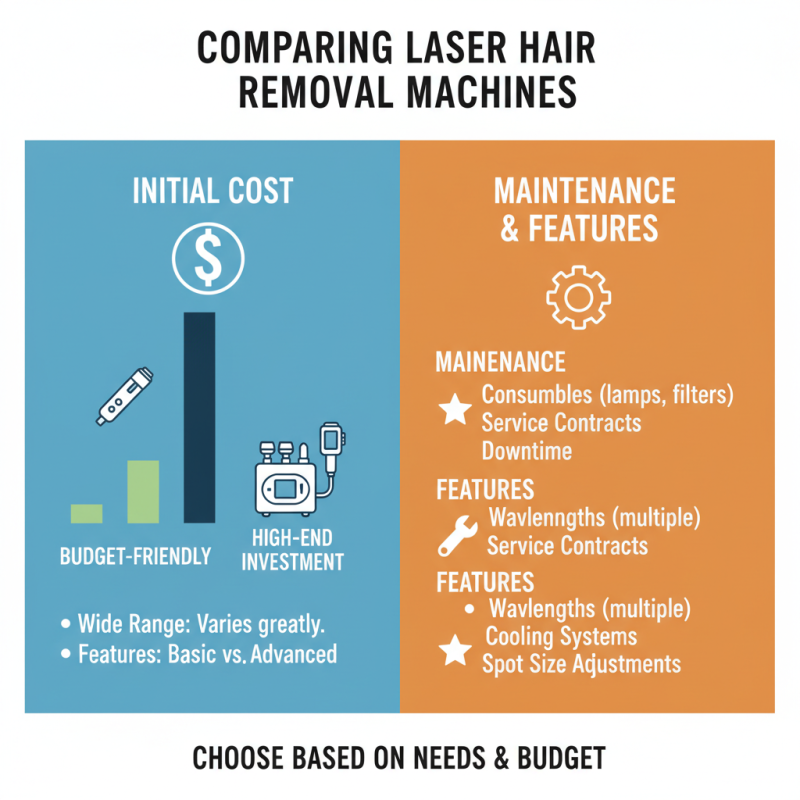
When considering laser hair removal machines, understanding the costs and maintenance is crucial. The initial purchase price can vary widely. Some machines are budget-friendly, while others may require a significant investment. It's essential to account for these variabilities. Higher-end devices often have advanced features, which can justify their price tags. However, ensure these features align with your needs.
Maintenance costs can add to the overall expense. Regular maintenance keeps the machine in optimal condition. It might involve replacing parts or undergoing professional servicing. Some machines are easier to maintain than others. Users should always check the manual and reviews to gauge ongoing costs. Neglecting maintenance can lead to more significant issues and costs in the long run.
Also, consider the longevity of the equipment. A cheaper model may save money initially but could wear out faster. Expensive machines might provide durability, but verify their track record. Research community experiences and expert opinions. This added effort helps make an informed decision. Ultimately, balancing the initial investment with long-term reliability is essential.