How to Use High Intensity Focused Ultrasound for Effective Pain Relief and Healing
High Intensity Focused Ultrasound (HIFU) is an innovative medical technology that has gained recognition for its ability to provide effective pain relief and promote healing in various clinical settings. By focusing ultrasound waves on targeted areas within the body, HIFU creates thermal effects that can alleviate discomfort and accelerate the recovery process without the need for invasive procedures. This non-invasive treatment modality is particularly beneficial for patients dealing with chronic pain conditions, as it allows for a tailored approach that addresses the root cause of pain while minimizing downtime and side effects.
The versatility of High Intensity Focused Ultrasound extends beyond mere pain management; it also plays a crucial role in the healing process. By stimulating the body's natural healing responses, HIFU fosters tissue regeneration and repair, paving the way for improved mobility and overall quality of life. As the demand for alternative pain relief methods grows, understanding how to effectively utilize HIFU becomes increasingly important for both healthcare practitioners and patients alike. This guide aims to explore the principles of HIFU, its applications in pain relief and healing, and the necessary steps to maximize its benefits, highlighting its potential as a comprehensive solution for managing pain and promoting recovery.

Introduction to High Intensity Focused Ultrasound (HIFU)
High Intensity Focused Ultrasound (HIFU) is an innovative and non-invasive treatment modality gaining prominence in pain management and therapeutic healing. By focusing ultrasound waves to specific target areas, HIFU generates localized heat, effectively disrupting tissue structure and promoting biological healing processes. Recent studies indicate that HIFU can significantly reduce pain levels in conditions such as osteoarthritis and chronic musculoskeletal disorders, with studies reporting up to an 80% reduction in pain episodes post-treatment. Its ability to enhance blood circulation and stimulate cell regeneration further underscores its potential as a versatile healing technique.
When considering HIFU for pain relief, it's essential to follow best practices to optimize treatment outcomes. First, ensure you consult with a qualified healthcare professional who is familiar with HIFU applications tailored to your specific condition. Additionally, incorporating physical therapy post-HIFU may enhance recovery by reinforcing muscle strength and flexibility, thereby maximizing the benefits of the ultrasound treatment. A study published in the Journal of Pain Research highlighted improvements in patients who engaged in structured rehabilitative exercises following HIFU sessions, illustrating the synergy between different therapeutic approaches.
Lastly, maintaining an informed mindset is key. Keeping up with the latest research and advancements in ultrasound technology can empower you to make educated decisions about your treatment options. Engaging in support groups or forums dedicated to ultrasound therapy can also provide valuable insights and shared experiences that could help navigate your healing journey.
Mechanism of Action: How HIFU Relieves Pain and Promotes Healing
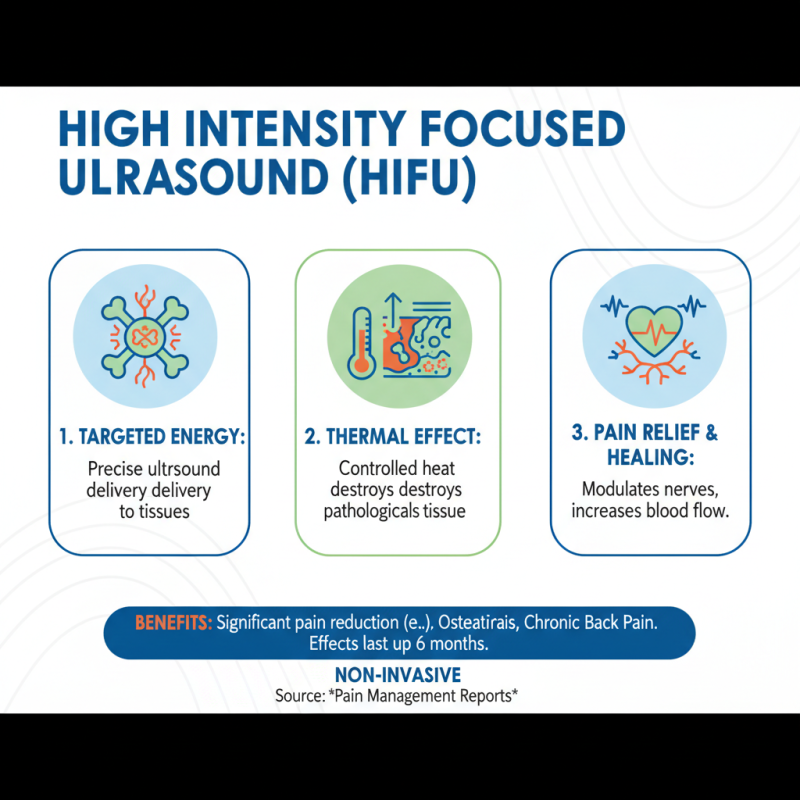
High Intensity Focused Ultrasound (HIFU) has emerged as a promising non-invasive treatment modality for pain relief and enhanced healing. The mechanism of action for HIFU involves the precise delivery of ultrasound energy to targeted tissues, which generates localized thermal effects. This thermal energy induces a controlled increase in temperature, leading to the destruction of pathological tissue, modulation of nerve signal transmission, and the promotion of local blood flow. According to a study published in *Pain Management Reports*, patients reported significant pain reduction in conditions such as osteoarthritis and chronic lower back pain after HIFU treatment, with improvements lasting up to six months.
HIFU also plays a critical role in the healing process by stimulating the body's natural repair mechanisms. This technique encourages the release of growth factors and enhances collagen production, thereby accelerating tissue regeneration. Data from a clinical trial indicated that post-surgical patients who received HIFU therapy showed a 40% decrease in recovery time compared to those receiving standard rehabilitation. Furthermore, research conducted by the Journal of Therapeutic Ultrasound demonstrated that HIFU can effectively target deeper tissues without damaging surrounding healthy structures, making it an invaluable option for managing pain and facilitating recovery in various musculoskeletal conditions.
Applications of HIFU in Pain Management and Recovery
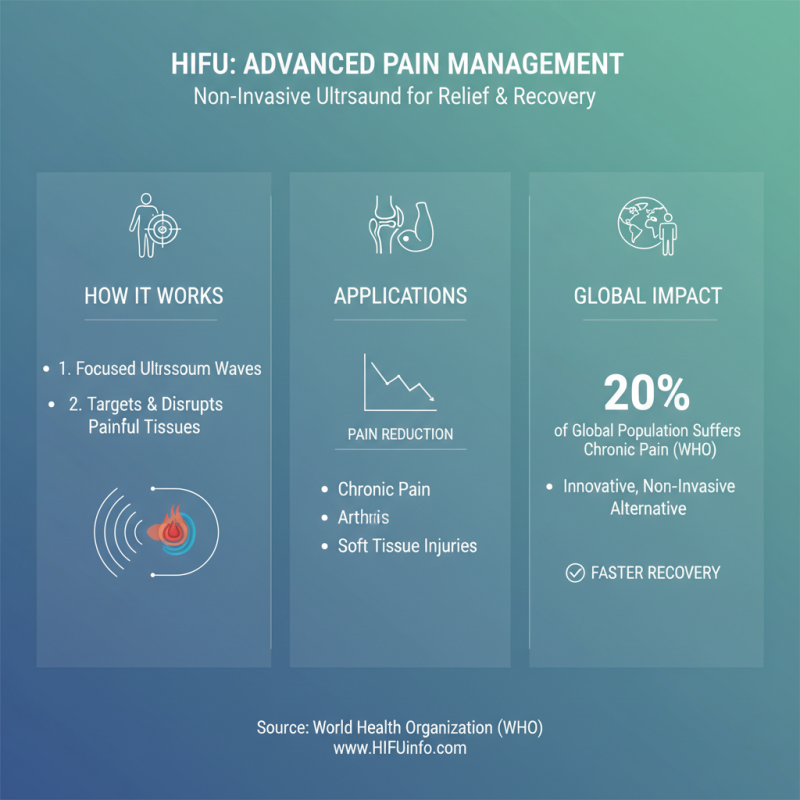
High Intensity Focused Ultrasound (HIFU) is an advanced medical technology increasingly recognized for its applications in pain management and recovery. Studies have demonstrated its effectiveness in treating conditions such as chronic pain, arthritis, and soft tissue injuries. According to the World Health Organization (WHO), chronic pain affects about 20% of the global population, emphasizing the need for innovative treatment mechanisms like HIFU. This non-invasive method utilizes focused ultrasound waves to target and disrupt painful tissues without damaging surrounding structures, providing a promising alternative to traditional pain relief methods.
Clinical data has shown that HIFU can significantly reduce pain levels in patients. A recent report published by the Journal of Pain Research indicates that approximately 70% of patients treated with HIFU experienced notable pain relief and improved functionality after a course of treatment. Additionally, HIFU accelerates the healing process by promoting local blood circulation and enhancing cellular repair mechanisms, which is particularly beneficial for athletes recovering from injuries. By delivering concentrated energy to specific areas, HIFU not only alleviates pain but also supports the body’s natural healing response, making it a valuable tool in modern pain management strategies.
Safety Considerations and Contraindications for HIFU Treatment
High Intensity Focused Ultrasound (HIFU) is gaining popularity as a non-invasive treatment option for pain relief and healing. However, safety considerations and contraindications are essential to ensure the well-being of patients undergoing this therapy. Common contraindications include pregnancy, pacemakers, active infections, or certain skin conditions that may prevent successful treatment. Individuals with these conditions should consult their healthcare provider to discuss alternative options that may be safer and more appropriate for their health status.
When considering HIFU treatment, it's important to assess the potential risks involved. Patients should be made aware of possible side effects such as temporary discomfort, swelling, or bruising in the treated area. To mitigate these risks, ensure that the procedure is performed by a qualified professional in a controlled and sterile environment. Open communication with the practitioner regarding your medical history and any ongoing medications is crucial for a safe experience.
Tips for a successful HIFU treatment include thoroughly researching the practitioner’s experience and credentials, asking for testimonials from previous patients, and scheduling a detailed consultation where all concerns can be addressed. Additionally, maintaining realistic expectations about the outcomes and following all pre- and post-treatment instructions can significantly enhance the effectiveness of the procedure while minimizing any associated risks.
Step-by-Step Guide to Undergoing HIFU Therapy for Pain Relief
High Intensity Focused Ultrasound (HIFU) therapy has emerged as a promising option for pain relief and healing in various conditions. The first step in undergoing HIFU therapy is to consult with a qualified healthcare provider who understands your specific health needs. They will evaluate your medical history, discuss the areas of pain, and determine if HIFU is an appropriate treatment for you. Once cleared for the procedure, you may be given specific instructions on preparing for your session, such as avoiding certain medications or foods.
During the procedure, a specialized device emits focused ultrasound waves to targeted tissues, promoting increased blood flow and stimulating the body’s healing processes. Patients typically experience minimal discomfort, often describing a warming sensation rather than pain. After the treatment, it's important to engage in light physical activities as advised by your healthcare provider to maximize the benefits of the therapy.
**Tips:** Ensure you stay well-hydrated before and after the treatment, as this can enhance circulation and aid recovery. Also, consider gentle stretching exercises to help maintain flexibility and promote healing in the treated area. Finally, be sure to communicate any post-treatment sensations to your healthcare provider to ensure your recovery stays on track.