What is Laser Beauty Equipment and How Does It Work?
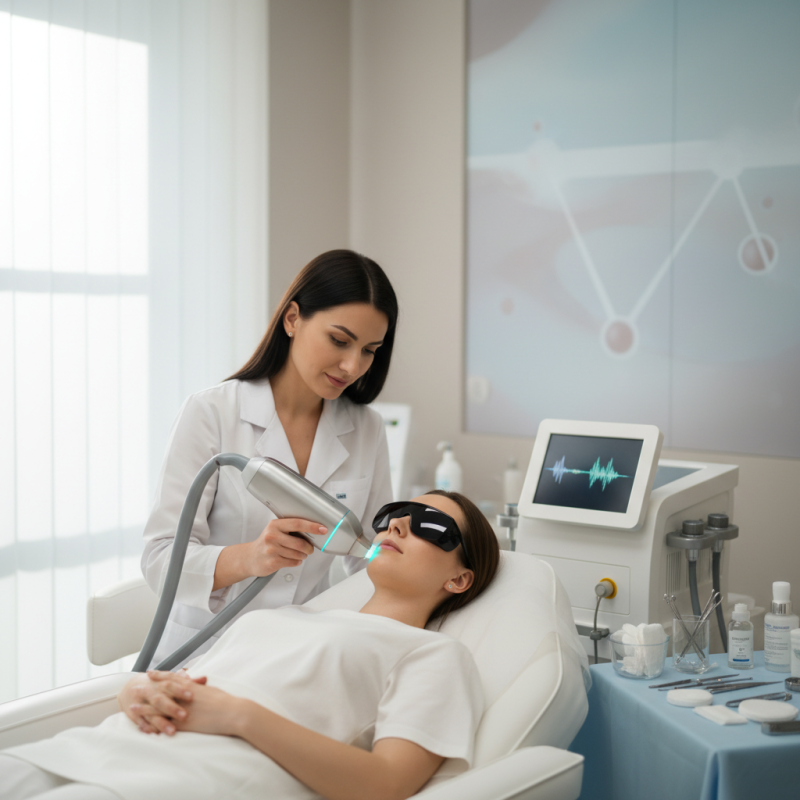
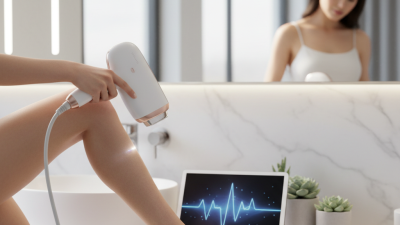
Laser Beauty Equipment has transformed the aesthetics industry. Dr. Lisa Harper, a leading expert in dermatology, states, "Laser technology enhances beauty by offering safe and effective solutions." This advanced equipment uses concentrated light beams to target specific skin issues. Treatments can address scars, pigmentation, and unwanted hair.
Many consumers are drawn to quick fixes. However, results can vary based on skin type and treatment goals. Not every method suits every individual. Patients often need multiple sessions for optimal outcomes, which can lead to frustrations.
The rise of Laser Beauty Equipment has brought accessibility. Yet, it raises questions about safety and skill. Choosing a qualified practitioner is crucial. The industry is evolving, but understanding its limitations is essential for anyone considering treatment.
Understanding Laser Beauty Equipment: An Overview
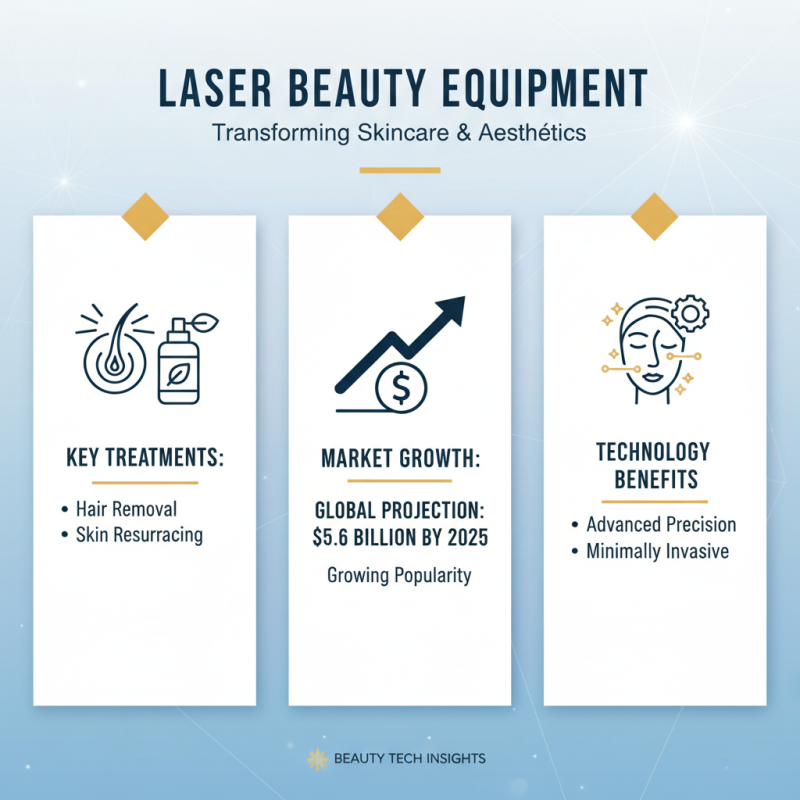
Laser beauty equipment has transformed skincare practices and aesthetic enhancements. This technology offers numerous treatments, from hair removal to skin resurfacing. According to a recent industry report, the global laser equipment market is projected to reach $5.6 billion by 2025, reflecting its growing popularity.
Different lasers target various skin concerns. For instance, some lasers can treat pigmentation issues, while others focus on wrinkles and fine lines. Reports indicate that a staggering 90% of patients experience significant improvement after laser treatments. However, it is essential to acknowledge the risks. Side effects can include redness, swelling, and in rare cases, scarring.
Many practitioners stress the need for thorough consultations before procedures. Personal skin type, treatment goals, and potential outcomes should be discussed. Despite the benefits, not every treatment will yield perfect results for everyone. Each individual’s skin responds differently to laser therapy. As the industry evolves, better approaches are needed to ensure safety and optimal results for clients.
Types of Laser Technologies Used in Aesthetic Treatments
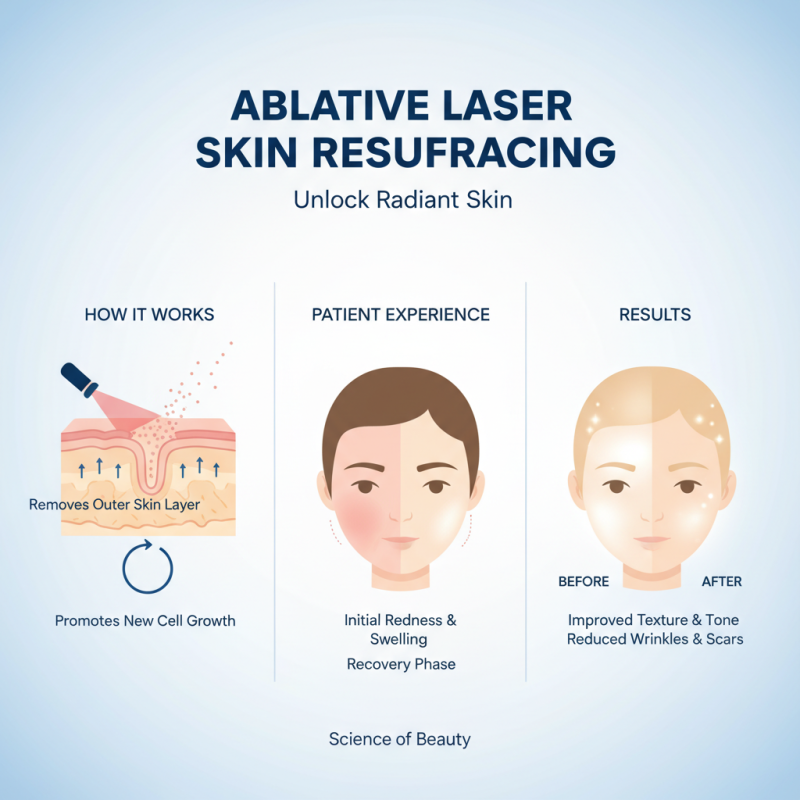
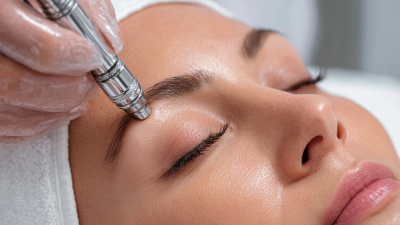
Laser beauty equipment utilizes various technologies to enhance skin appearance and texture. One common type is the ablative laser. This technology removes the outer layer of skin, promoting new cell growth. Patients often experience redness and swelling, yet the results can be impressive.
Another popular option is non-ablative lasers. These treatments penetrate deeper layers of skin without disrupting the surface. They stimulate collagen production, which helps with wrinkles and fine lines. Effectively, they provide results over multiple sessions but might require a longer recovery period than expected.
Additionally, there are IPL (Intense Pulsed Light) systems. While technically not lasers, they use light to target pigments in the skin. Treatments can feel uncomfortable, but they can significantly reduce pigmentation issues. It's important to note that not every technology suits all skin types, and results may vary. Each treatment has its pros and cons, necessitating a thoughtful approach to choosing the right one.
How Laser Beauty Equipment Works: The Science Behind It
Laser beauty equipment utilizes advanced technology for cosmetic treatments. It relies on focused beams of light to target specific skin issues. This non-invasive approach can help reduce wrinkles, scars, and pigmentation. The precision of lasers allows them to penetrate deeper layers of skin without damaging the surface.
The science behind laser treatments involves selective photothermolysis. Different wavelengths of light are absorbed by various skin tissues. For instance, certain wavelengths target melanin in hair follicles, leading to hair reduction. Others may focus on hemoglobin in blood vessels to treat redness. The energy emitted from lasers converts into heat, destroying unwanted cells while promoting skin rejuvenation.
However, results can vary significantly among individuals. Some may experience temporary redness or swelling after treatment. It's crucial to undergo a thorough consultation beforehand. Each skin type reacts differently, and understanding these nuances can impact overall satisfaction. Therefore, ongoing research and self-reflection on treatment outcomes remain essential.
Common Applications of Laser Beauty Equipment in Skincare
Laser beauty equipment has transformed various skincare treatments today. This technology offers a range of applications that cater to different skin concerns. According to recent industry reports, the global market for laser treatment in dermatology is expected to reach over $3 billion by 2025. Many individuals seek these treatments for acne scars, wrinkles, and pigmentation issues.
One common application is laser hair removal. This method targets hair follicles with precision. An estimate suggests that around 30% of women and 20% of men seek this treatment. Laser resurfacing is another popular option. It improves skin texture by removing damaged layers. However, not everyone responds the same way. Some experience redness or swelling post-treatment. The need for individual assessments cannot be overstated.
The use of lasers in skincare also includes tattoo removal and vascular lesions treatment. Although effective, these procedures show varying results. A study indicates that only 50-75% successfully achieve desired outcomes. Costs can vary widely, creating barriers for some. Moreover, skin type and condition affect treatment efficacy. Efforts must be made to tailor approaches for optimal results.
Common Applications of Laser Beauty Equipment in Skincare
Safety Considerations and Aftercare for Laser Treatments
Laser treatments can offer remarkable results, but safety is paramount. Before undergoing any procedure, it’s crucial to consult with a qualified professional. They can assess your skin type and any potential risks. Some individuals may experience post-treatment redness or swelling. These reactions can vary widely depending on skin sensitivity.
Aftercare is equally important. Keep the treated area clean and moisturized. Avoid sun exposure for a few weeks, as this can lead to complications. Wearing sunscreen is a must. Many forget this step, which is critical for healing. Pay attention to any unusual changes, like increased redness or discomfort. Report these to your healthcare provider promptly.
Listening to your body is crucial after laser treatments. Healing is a journey that requires patience. Everyone’s skin responds differently, and results may take time. Reflecting on your experience can help you understand your unique needs. Be informed, and prioritize your safety and well-being throughout the process.
What is Laser Beauty Equipment and How Does It Work? - Safety Considerations and Aftercare for Laser Treatments
| Dimension |
Information |
| Type of Laser Equipment |
Ablative and Non-ablative Lasers |
| Common Treatments |
Hair Removal, Skin Resurfacing, Pigmentation Removal |
| Mechanism of Action |
Targeting specific skin structures using light energy |
| Safety Considerations |
Proper skin assessment, use of protective eyewear, appropriate settings |
| Aftercare Guidelines |
Avoid sun exposure, moisturizing, and following technician's advice |
| Potential Side Effects |
Redness, swelling, temporary discomfort, hyperpigmentation |
| Duration of Treatment |
Typically 30 minutes to 2 hours depending on area treated |
| Frequency of Sessions |
Varies by treatment, often 4-6 weeks apart |