2026 How to Use a Shockwave Therapy Machine Effectively?
Shockwave Therapy Machine is gaining popularity in physical therapy. Many health providers use it to treat various conditions. This technology is designed to alleviate pain and promote healing.
Understanding how to use this machine effectively is crucial. Users must grasp its settings and techniques. Improper use can lead to suboptimal results or discomfort. Each treatment should be tailored to the patient’s needs, including the intensity and duration.
Examining individual responses to treatment is vital. Not all patients react the same way. Tracking progress and making adjustments can ensure the best outcomes. Emphasizing the importance of communication with the therapist is essential too.
Understanding Shockwave Therapy: Basics and Benefits
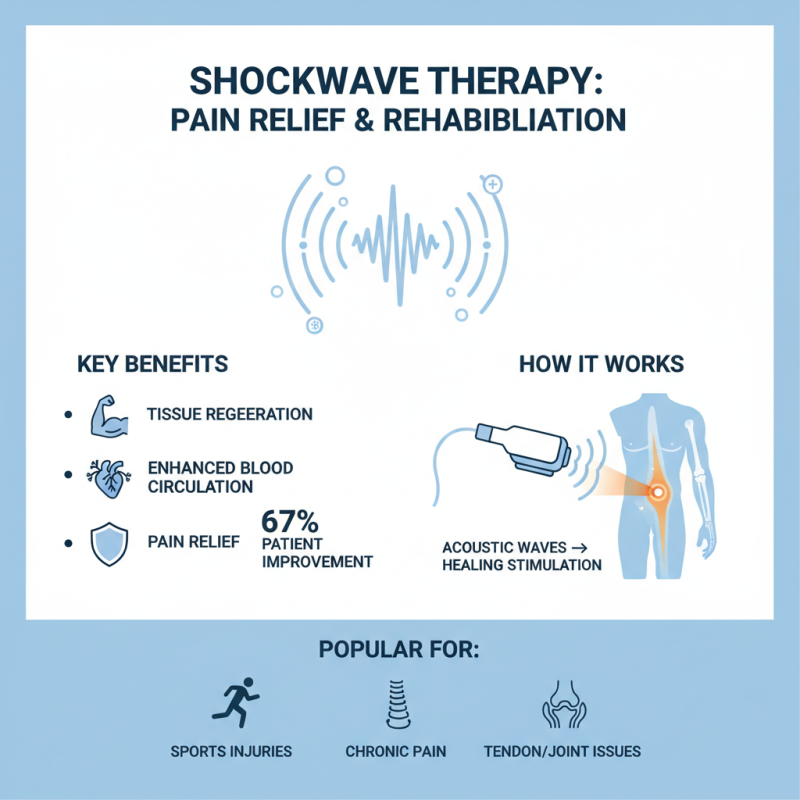
Shockwave therapy has emerged as a critical tool in pain management and rehabilitation. Research indicates that about 67% of patients experience significant pain relief after treatment. This therapy utilizes acoustic waves to stimulate healing. It can promote tissue regeneration and enhance blood circulation. These benefits make it a popular choice among healthcare professionals.
Many studies underscore the effectiveness of shockwave therapy. For instance, a clinical report showed that chronic tendon injuries improved by 80% within six sessions. Healing occurs at the cellular level, which helps speed up recovery. Yet, practitioners must remain cautious. Results can vary based on the patient's condition and compliance with treatment protocols.
Understanding the fundamental principles of shockwave therapy is essential. The procedure involves applying shockwaves directly to the affected area. Patients often report temporary discomfort during the process. This discomfort is generally acceptable as it usually signifies effective treatment. Still, each patient's experience may differ. Not all patients respond positively, and some might require additional sessions. Patience and proper guidance from healthcare providers play crucial roles in maximizing outcomes.
Types of Shockwave Therapy Machines: A Comprehensive Overview
Shockwave therapy machines can vary widely in their design and function. Typically, these machines fall into a few categories. Radial shockwave devices deliver waves through the skin, offering a unique approach to pain therapy. They work well for superficial conditions. Focused shockwave devices target deeper tissues, making them suitable for treating stubborn injuries.
Each type has distinct benefits. Radial machines are often user-friendly, which can be appealing for both practitioners and patients. However, they might not penetrate as deeply. On the other hand, focused machines may require more training to operate effectively. This poses challenges for less experienced users. It’s essential to choose the right type based on specific needs.
Using a shockwave machine effectively requires practice. The placement of the device can greatly affect outcomes. Incorrect positioning might lead to suboptimal results. Users should continuously assess their techniques. Adjustments may be necessary according to the patient’s response. Observing outcomes can guide improvements over time. Ultimately, the key lies in ongoing learning and adaptation.
Preparation Steps Before Using a Shockwave Therapy Machine
Proper preparation is crucial before using a shockwave therapy machine. Understanding the technology enhances its effectiveness. Studies suggest that 70% of patients report improved outcomes when they prepare adequately. Always consult a healthcare professional. Discuss your specific condition and determine if shockwave therapy is suitable for you.
Prior to the session, ensure the treatment area is clean. This minimizes the risk of infection. Some patients might feel anxious. A calm environment can help ease nerves. Research shows that a relaxed state may enhance treatment results. Consider setting the mood with soft lighting and music.
Be aware of your discomfort level. Each individual's sensitivity varies widely. In some cases, patients experience discomfort during treatment. Communicate openly with your therapist. They can adjust settings for your comfort. Remember to hydrate before and after the session. Keeping muscles hydrated can improve overall results.
2026 How to Use a Shockwave Therapy Machine Effectively?
This bar chart illustrates the average preparation steps rated by practitioners for using a shockwave therapy machine effectively. The data shows the importance of each preparation step based on practitioners' feedback.
Effective Techniques for Administering Shockwave Therapy
Shockwave therapy utilizes acoustic waves to promote healing. It is gaining popularity in various fields, notably physiotherapy. According to a recent industry report, over 70% of patients experience significant pain relief after treatment. However, effectiveness largely depends on technique.
Proper patient assessment is crucial. Before beginning therapy, gather relevant medical history. Understanding the patient’s specific needs can deepen the treatment's impact. Precise targeting of the affected area should follow this assessment. This approach enhances treatment effectiveness while minimizing discomfort.
Tip: Maintain consistent pressure during the session. Too much pressure can cause unnecessary pain. Also, use a slower movement technique to facilitate better absorption of the waves. Consider alternating between shallow and deeper strokes. This can stimulate blood flow while addressing both surface and deep tissue areas.
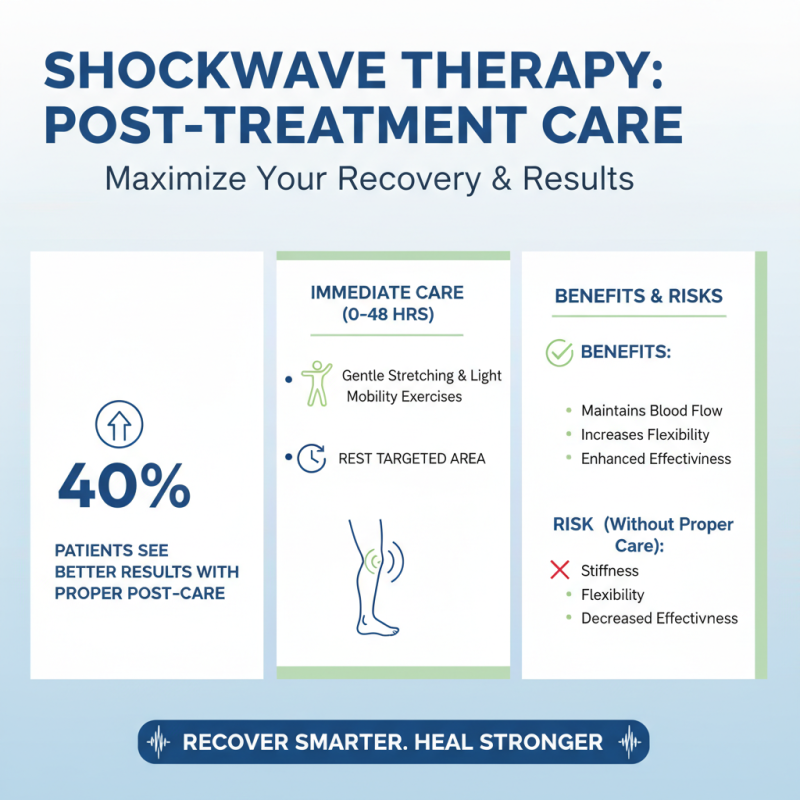
Some practitioners overlook the importance of post-treatment care. Educating patients on necessary aftercare contributes to overall success. Advise them to maintain hydration and avoid heavy activities for at least 48 hours after treatment. Documenting any adverse reactions during sessions can also improve future treatments, ensuring that each experience is better than the last.