What is a Vacuum Cavitation Machine and How Does It Work?
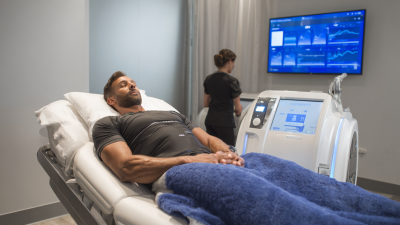
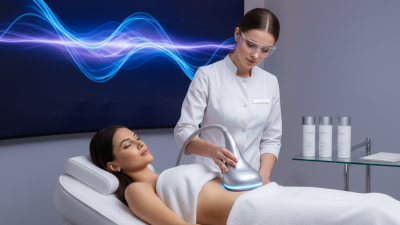
The Vacuum Cavitation Machine is a fascinating device used in various aesthetics and wellness treatments. It operates by creating bubbles in liquid, which implode and generate energy. This process helps to break down fat cells and improve skin texture.
Many people seek treatments with this machine for body contouring and cellulite reduction. It offers a non-invasive option compared to surgical methods. The appeal lies in its promise of visible results without downtime. Yet, not everyone may achieve the desired effect after a few sessions.
There are limitations and varying outcomes for users. Individual responses can differ significantly. Some may not see significant changes. Users should approach this technology with realistic expectations. The Vacuum Cavitation Machine can be a useful tool, but it is not a miracle solution.
What is Vacuum Cavitation Technology?
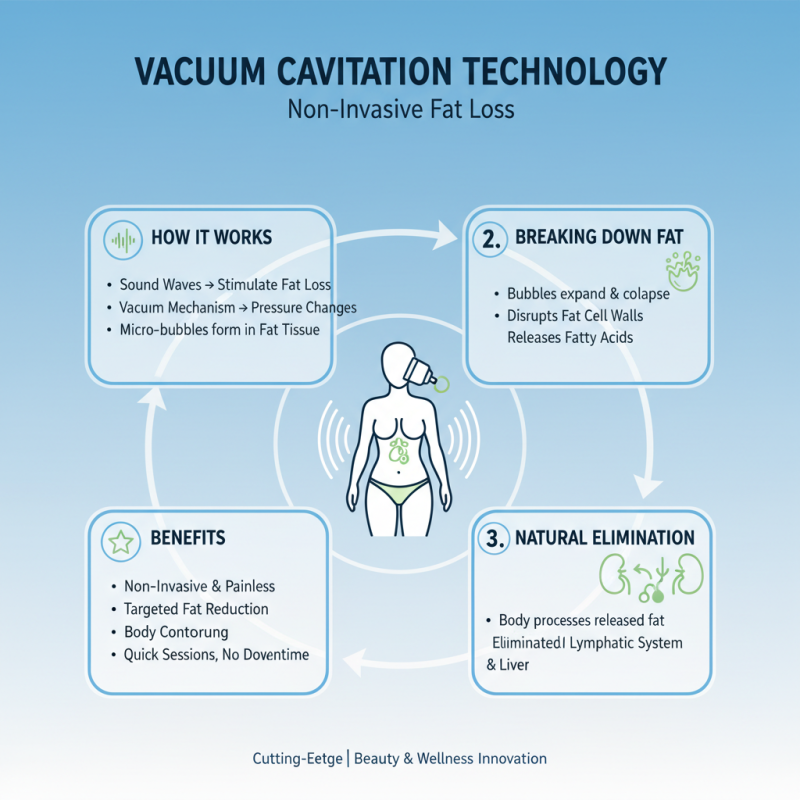
Vacuum cavitation technology is a cutting-edge treatment that uses sound waves to stimulate fat loss. This innovative method helps to break down fat cells in a non-invasive manner. It is gaining popularity in the beauty and wellness industry. The process involves a vacuum mechanism, which creates pressure changes. This leads to the formation of small bubbles in the fat tissues.
Tips: Stay hydrated before and after treatments. Drinking water can enhance fat elimination. Avoid heavy meals right before sessions. It is essential for comfort.
The machine operates by alternating pressures. It combines suction with ultrasonic waves. Many users notice a reduction in stubborn fat areas after several sessions. However, results can vary based on individual body types. Not everyone achieves the same level of success.
Tips: Maintain a healthy lifestyle during treatments. Regular exercise and balanced nutrition enhance the effects. Monitor your body’s response closely. Adjust your routine as necessary to find what works for you.
Principles of Cavitation and Its Mechanism
Cavitation is a process that involves the formation and collapse of bubbles in a liquid. In a vacuum cavitation machine, this principle is harnessed to create micro bubbles that intensely agitate the surrounding fluids. As these bubbles form and implode, they generate localized energy releases. This energy can help break down fat cells, which is often utilized in various cosmetic treatments.
Research shows that cavitation can target fat tissues specifically, while keeping surrounding structures largely unharmed. According to a study by the Journal of Clinical Aesthetic Dermatology, patients can see significant improvements after just a few sessions. However, results can vary widely among individuals. Some users report minimal changes, questioning the effectiveness of the treatment. This inconsistency may arise from different body compositions and lifestyle factors.
The mechanism behind cavitation involves the physics of sound waves. As sound travels through a liquid, it creates pressure alterations that lead to bubble formation. Not all cavitation is beneficial; while certain types support treatment goals, excessive or uncontrolled cavitation can lead to tissue damage. This underlines the need for precise calibration when using such machines. Understanding these principles is crucial for achieving the desired results.
Vacuum Cavitation Machine Efficiency Over Different Frequencies
Components of a Vacuum Cavitation Machine
A vacuum cavitation machine is designed to promote effective body contouring and cellulite reduction. It utilizes ultrasound technology to create bubbles in liquid, which collapse and produce energy. This process helps break down fat cells. Understanding its components is key to grasping how it works.
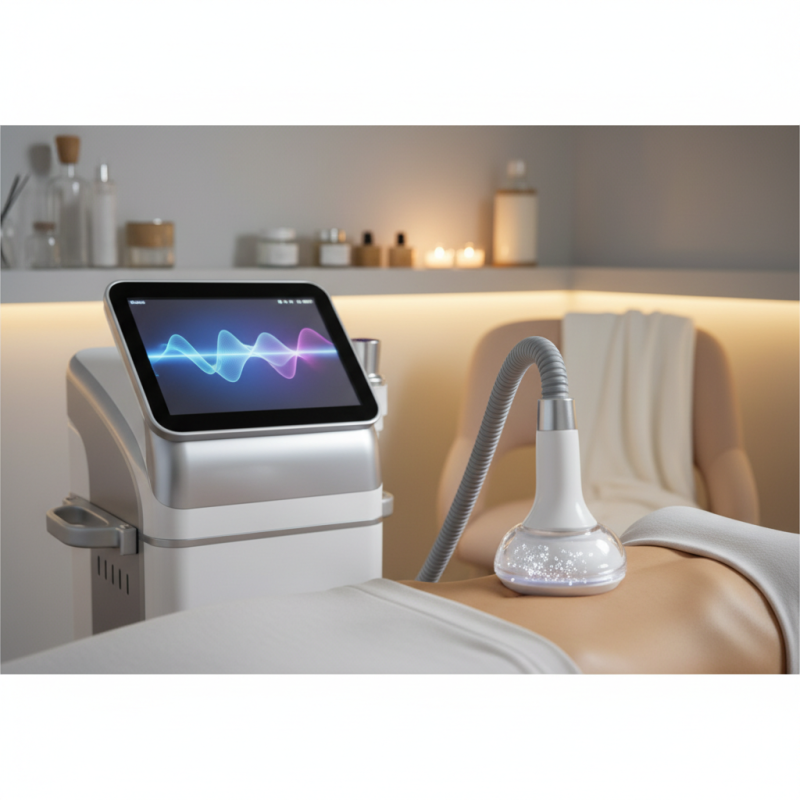
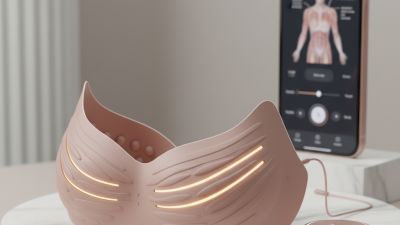
The main components include the vacuum suction device, ultrasonic handpieces, and control panel. The vacuum suction device gently lifts the skin. This aids the ultrasonic handpieces in targeting deeper fat layers efficiently. The control panel allows users to customize the intensity and duration of treatment sessions.
Tips: Always ensure the machine is calibrated properly before each use. This helps avoid any rough treatment that might irritate the skin. Additionally, regular maintenance of the machine is crucial for optimal performance. Don't skip cleaning the components after each session to prevent cross-contamination.
While the machine is effective, results can vary. Factors like skin type and body composition play significant roles. Clients should maintain realistic expectations and possibly consult a professional before starting treatments. It's okay to feel uncertain, as every body reacts differently. The machine's effectiveness can be surprising, both positively and negatively. Understanding these nuances is essential for a positive experience.
Applications of Vacuum Cavitation in Aesthetics and Medicine
Vacuum cavitation technology has gained traction in aesthetics and medicine. This innovative method harnesses low-pressure bubbles to facilitate treatment. It creates microbubbles in the skin that collapse and release energy. This process promotes lymphatic drainage, improves circulation, and reduces cellulite. Reports show that cavitation can enhance skin elasticity and provide body contouring results.
In aesthetic applications, vacuum cavitation is commonly used for non-invasive fat reduction. A study indicated that patients can see a 2-3 cm reduction in waist circumference after a series of sessions. Minimal downtime is appealing for many. However, results can vary based on individual health factors. Some clients report uneven results, raising questions about consistency.
In the medical field, vacuum cavitation is used for therapeutic purposes. It assists in pain management and rehabilitation. Research reveals that it can improve muscle recovery by promoting blood flow. Nevertheless, effectiveness can depend on various factors like the intensity of treatment and patient response. Clinicians stress the importance of tailored approaches to achieve the best outcomes. Balancing expectations with realistic results remains a challenge in both aesthetics and medical uses.
What is a Vacuum Cavitation Machine and How Does It Work? - Applications of Vacuum Cavitation in Aesthetics and Medicine
| Application |
Purpose |
Mechanism |
Benefits |
| Body Contouring |
Reduce localized fat deposits |
Utilizes ultrasonic waves to create cavitation bubbles |
Non-invasive, minimal downtime |
| Cellulite Reduction |
Improve skin texture and appearance |
Cavitation affects the fat cells, leading to skin tightening |
Enhances circulation and lymphatic drainage |
| Skin Rejuvenation |
Promote collagen production |
Increases skin permeability for better absorption of product |
Reduces fine lines and wrinkles |
| Post-operative Recovery |
Accelerate healing after surgery |
Stimulates blood flow and lymphatic drainage using vacuum technology |
Reduced swelling and quicker recovery time |
Benefits and Risks of Using a Vacuum Cavitation Machine
Vacuum cavitation machines have gained popularity in body contouring treatments. They use ultrasonic waves to create bubbles in liquid. These bubbles implode, which helps break down fat cells. The process is non-invasive and requires no downtime, making it appealing for those looking for quick results. Many users report feeling a gentle warming sensation during the treatment. However, results can vary widely among individuals.
Despite the benefits, there are risks to consider. Some people experience bruising or temporary discomfort after sessions. These side effects can discourage new users. In rare cases, there may be skin reactions, leading to further concerns. It's essential to consult with a qualified professional before proceeding. Understanding your body's unique response is crucial for achieving desired outcomes. An informed decision is better than jumping into treatments without knowledge.